





7 Essential Tips for Choosing the Right Device in 2025
Struggling to hear conversations in noisy restaurants? Missing important dialogue in your favorite TV shows? You’re not alone. Over 48 million Americans experience hearing loss, yet only 20% of those who need hearing aids actually use them. If you’re ready to take the leap, this hearing aid buyer’s guide will help you make the right choice.
Understanding Your Hearing Loss Comes First
Before shopping for hearing aids, schedule a comprehensive hearing evaluation with a licensed audiologist. This professional assessment determines your specific type and degree of hearing loss, whether mild, moderate, severe, or profound. Your audiogram results will guide which hearing aid styles and technology levels suit your needs best. Skip the guesswork and start with professional testing.
Know Your Hearing Aid Style Options
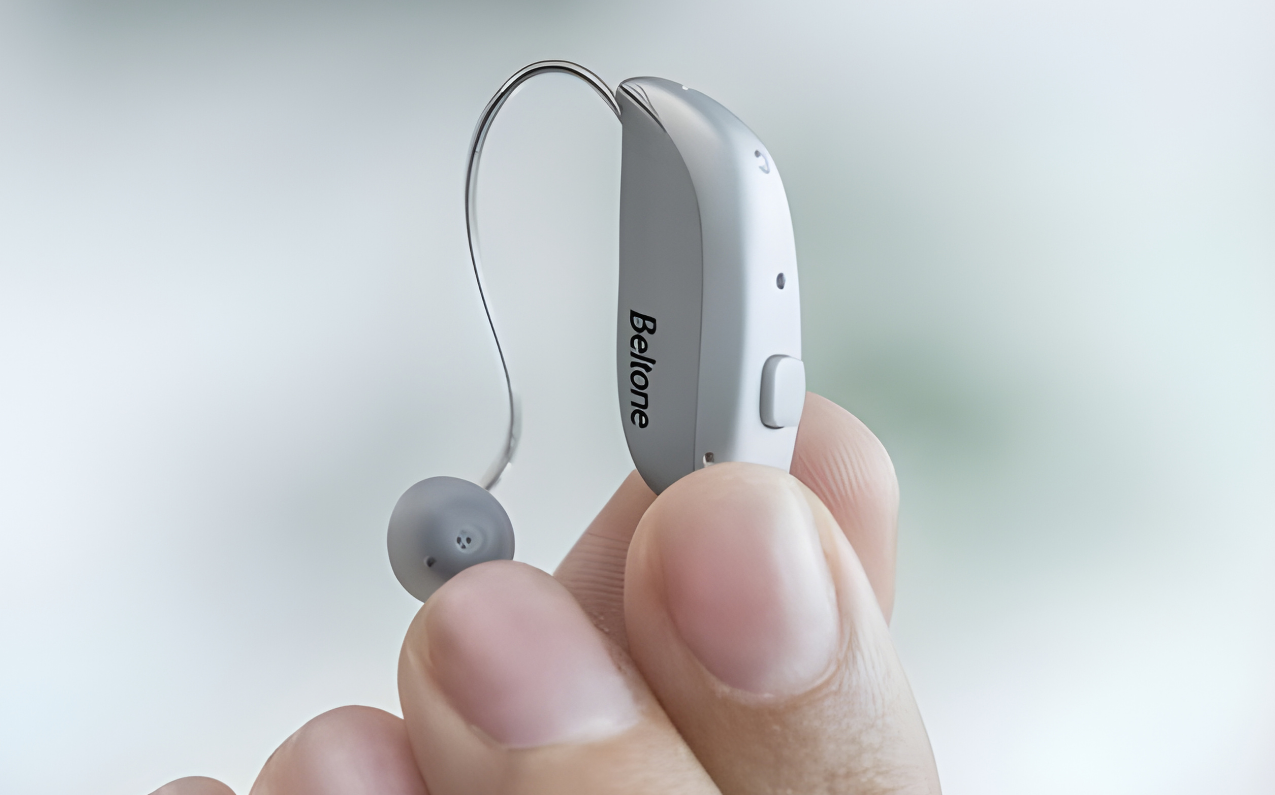
Hearing aids come in several distinct styles, each with unique benefits. Behind-the-Ear (BTE) models remain the most popular choice, sitting comfortably behind your ear with a tube connecting to an earpiece. These work for all hearing loss levels and pack the most features. Receiver-in-Canal (RIC) devices offer similar benefits in a sleeker, more discreet design.
For those prioritizing invisibility, In-the-Canal (ITC) and Completely-in-Canal (CIC) options fit partially or fully inside your ear canal. While nearly invisible, these smaller devices have shorter battery life and fewer features. The newest Invisible-in-Canal (IIC) hearing aids sit deepest in your canal but work only for mild to moderate hearing loss.
Essential Features Worth Your Investment
Modern hearing aids offer impressive technology that dramatically improves your listening experience. Bluetooth connectivity lets you stream phone calls, music, and TV audio directly to your devices. Noise reduction algorithms automatically distinguish between speech and background noise, making conversations in crowded spaces much clearer.
Directional microphones focus on sounds in front of you while minimizing distractions from other directions. Rechargeable batteries eliminate the hassle of frequent battery changes and prove more cost-effective long-term. Smartphone apps give you fingertip control over volume, programs, and settings.
Budget Wisely for Quality Care
Hearing aids typically range from $1,000 to $6,000 per device, and most people need two. This investment includes the devices themselves, professional fitting and programming, follow-up adjustments, and warranty coverage. While over-the-counter (OTC) hearing aids now offer budget-friendly alternatives at $200-$1,500, they lack the professional fitting and ongoing support that ensures long-term success.
Check whether your health insurance, Medicare Advantage plan, or employer benefits cover hearing aids. Many providers offer financing plans to make quality hearing care more accessible. Veterans can access hearing aids through VA benefits at no cost.
Choose Technology That Matches Your Lifestyle
Active individuals need durable, moisture-resistant devices with secure fits. Technology enthusiasts should prioritize advanced Bluetooth capabilities and smartphone integration. Social butterflies benefit most from superior noise reduction and multiple program settings for different environments.
Consider where you spend most of your time. If you frequently attend concerts, religious services, or theater performances, look for telecoil technology that connects with hearing loop systems. If you work in challenging acoustic environments, invest in premium noise reduction features.
The Right Provider Makes All the Difference
Your hearing healthcare provider relationship matters as much as the devices themselves. Seek audiologists with proper credentials, experience with multiple brands, and comprehensive service offerings. Reputable providers offer 30-60 day trial periods, allowing real-world testing before committing.
Professional fitting requires multiple appointments for initial programming, adjustments, and ongoing support. This relationship ensures your hearing aids perform optimally for years to come.
Take Action Today for Better Hearing Tomorrow
Research links untreated hearing loss to social isolation, depression, and cognitive decline. Quality hearing aids dramatically improve communication, confidence, and overall wellbeing. Don’t let cost concerns or vanity prevent you from addressing your hearing health.
Start with a professional hearing evaluation, research providers in your area, and take advantage of trial periods to find your perfect fit. Your ears and loved ones will thank you for taking this important step toward better hearing and a fuller life.