






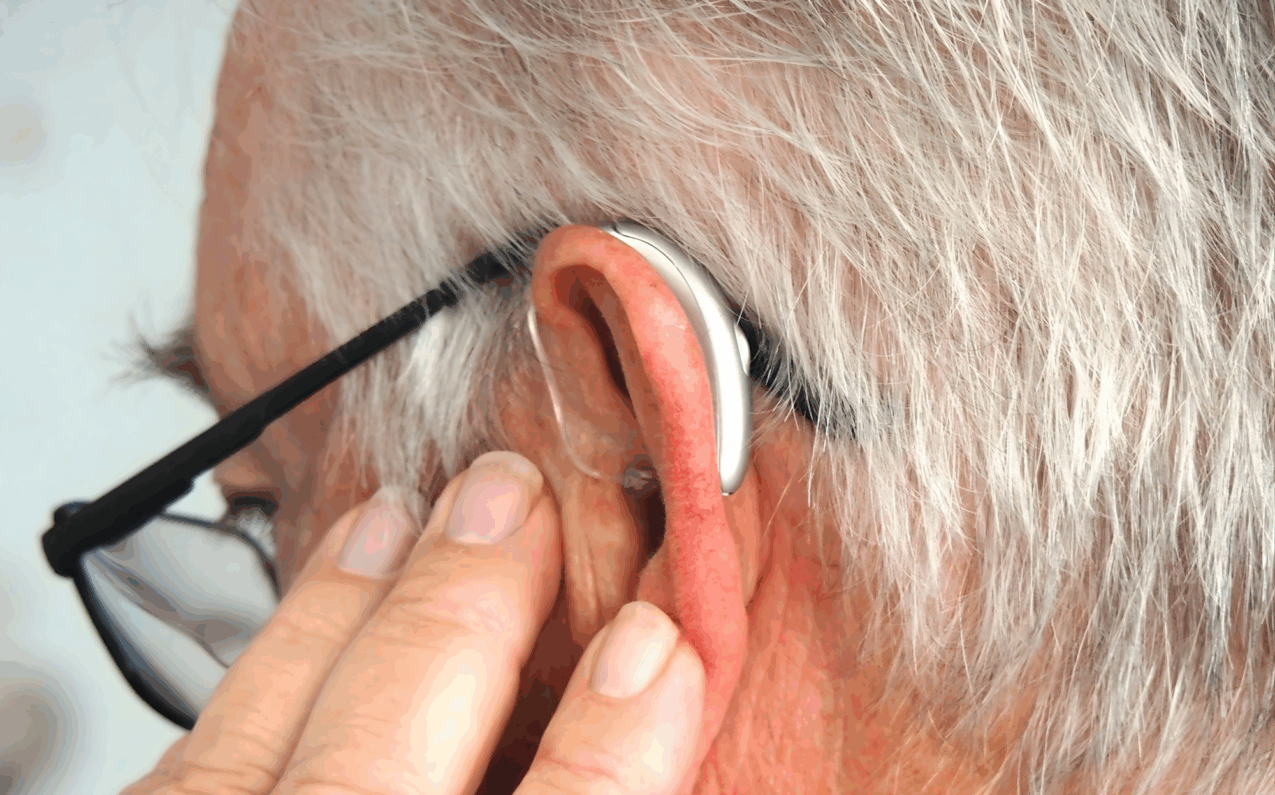
As we age, maintaining our health becomes increasingly important, and one often-overlooked aspect is hearing health. Research shows that treating hearing loss can have profound effects on overall well-being and quality of life. Here are the top ten ways addressing hearing loss supports healthy aging.
1. Reduces Risk of Cognitive Decline
Studies have consistently shown a strong link between untreated hearing loss and cognitive decline. When you can’t hear clearly, your brain works harder to process sounds, leaving fewer resources for memory and thinking. Treating hearing loss with hearing aids can help preserve cognitive function and potentially reduce dementia risk.
2. Improves Social Engagement
Hearing loss often leads to social isolation as conversations become frustrating and exhausting. By addressing hearing problems, older adults can maintain meaningful connections with family and friends, which is crucial for emotional well-being and longevity.
3. Enhances Safety and Awareness
Being able to hear warning signals, alarms, approaching vehicles, and environmental cues is essential for safety. Treating hearing loss helps seniors stay alert to their surroundings and avoid potential hazards in daily life.
4. Boosts Mental Health
The frustration and isolation caused by untreated hearing loss can lead to depression and anxiety. When hearing is improved, many people experience better mood, reduced anxiety, and greater overall life satisfaction.
5. Increases Physical Activity
When communication is easier and confidence is restored, people are more likely to participate in physical activities and social exercise groups. This increased activity supports cardiovascular health, balance, and overall fitness.
6. Maintains Independence
Clear hearing allows seniors to manage appointments, communicate with healthcare providers, and handle daily tasks independently. This autonomy is vital for self-esteem and quality of life as we age.
7. Improves Balance and Reduces Fall Risk
The inner ear plays a crucial role in balance, and hearing loss has been linked to increased fall risk. Additionally, being able to hear environmental cues helps with spatial awareness. Treating hearing loss may help reduce dangerous falls.
8. Enhances Brain Health
Hearing treatment keeps the auditory pathways of the brain active and engaged. This stimulation helps maintain neural connections and overall brain health, contributing to sharper mental acuity.
9. Supports Better Sleep
Untreated hearing loss can lead to increased stress and cognitive load during the day, which may affect sleep quality. Many people report sleeping better once their hearing is addressed and daily stress is reduced.
10. Improves Overall Quality of Life
Perhaps most importantly, treating hearing loss allows people to fully participate in life’s pleasures—enjoying music, conversations with grandchildren, theater performances, and everyday interactions that make life meaningful and joyful.
Taking Action
If you or a loved one is experiencing hearing difficulties, don’t wait to seek help. A comprehensive hearing evaluation by an audiologist is the first step. Modern hearing aids are discreet, comfortable, and highly effective, with many featuring advanced technology like Bluetooth connectivity and automatic adjustments.
Treating hearing loss isn’t just about hearing better—it’s about living better. By addressing hearing health proactively, you’re investing in cognitive health, social connections, safety, and independence. These benefits combine to support not just longer life, but a higher quality of life throughout your golden years.
Remember, healthy aging encompasses all aspects of wellness, and hearing health deserves a prominent place in that conversation.